Mantra & Co. - Advocate & Tax Consultant

Understanding AIS and Data Matching in the Income Tax System

Introduction
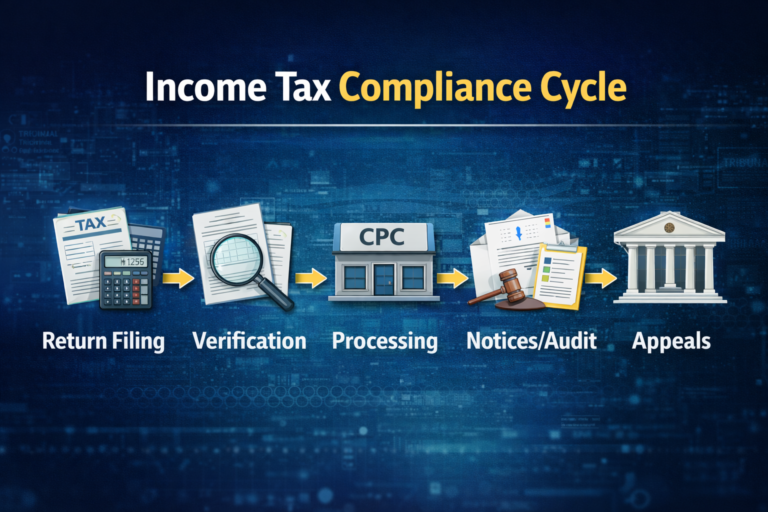
The Income Tax Department relies heavily on data analytics and automated cross-verification systems. After filing a return, the information disclosed by a taxpayer is compared with data collected from various reporting entities.
This article explains how AIS, TDS records, and third-party reporting influence return processing.
Watch the Complete Video Explanation
This topic has also been explained in detail in the video below. Watch for practical clarity and structured understanding
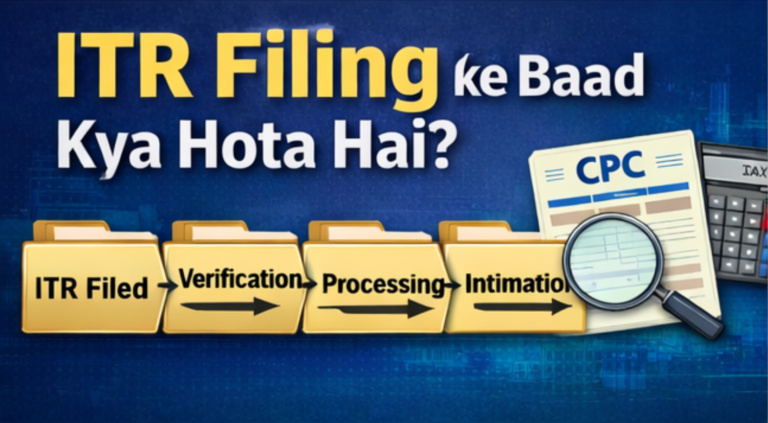
In this video, we explain the entire process that takes place for data analysis and verification by income tax department in a simple, practical, and fear-free manner.
1. What is AIS?
The Annual Information Statement (AIS) contains financial information collected from:
- Banks
- Employers
- Mutual funds
- Property registrars
- Other reporting institutions
AIS reflects transactions linked to the taxpayer’s PAN.
2. Role of TDS & Form 26AS
Tax Deducted at Source (TDS) is reported by deductors.
Mismatch between claimed TDS and reported TDS may trigger adjustment.
Form 26AS acts as a tax credit statement.
3. Data Matching Process
The system compares:
- Income declared in ITR
- Income appearing in AIS
- TDS/TCS credits
- High-value transactions
Significant variance may lead to notice or adjustment.
4. Why Transparency Matters
Under-reporting income or ignoring AIS discrepancies increases risk exposure.
Proactive reconciliation reduces future disputes.
Conclusion
Modern tax administration is data-driven. Taxpayers must reconcile AIS and TDS details before filing returns to ensure smooth compliance.
Tax ko samajhna mushkil nahi hai,
System ko samajhna zaroori hai.
Disclaimer: This article is for informational purposes only and does not constitute legal or tax advice. The views expressed are based on the current understanding of law and portal functionality as on the date of publication. Readers are advised to seek professional advice before taking any action.
If you have any general query or wish to understand the subject better, you may share your question in the comments below.