Mantra & Co. - Advocate & Tax Consultant

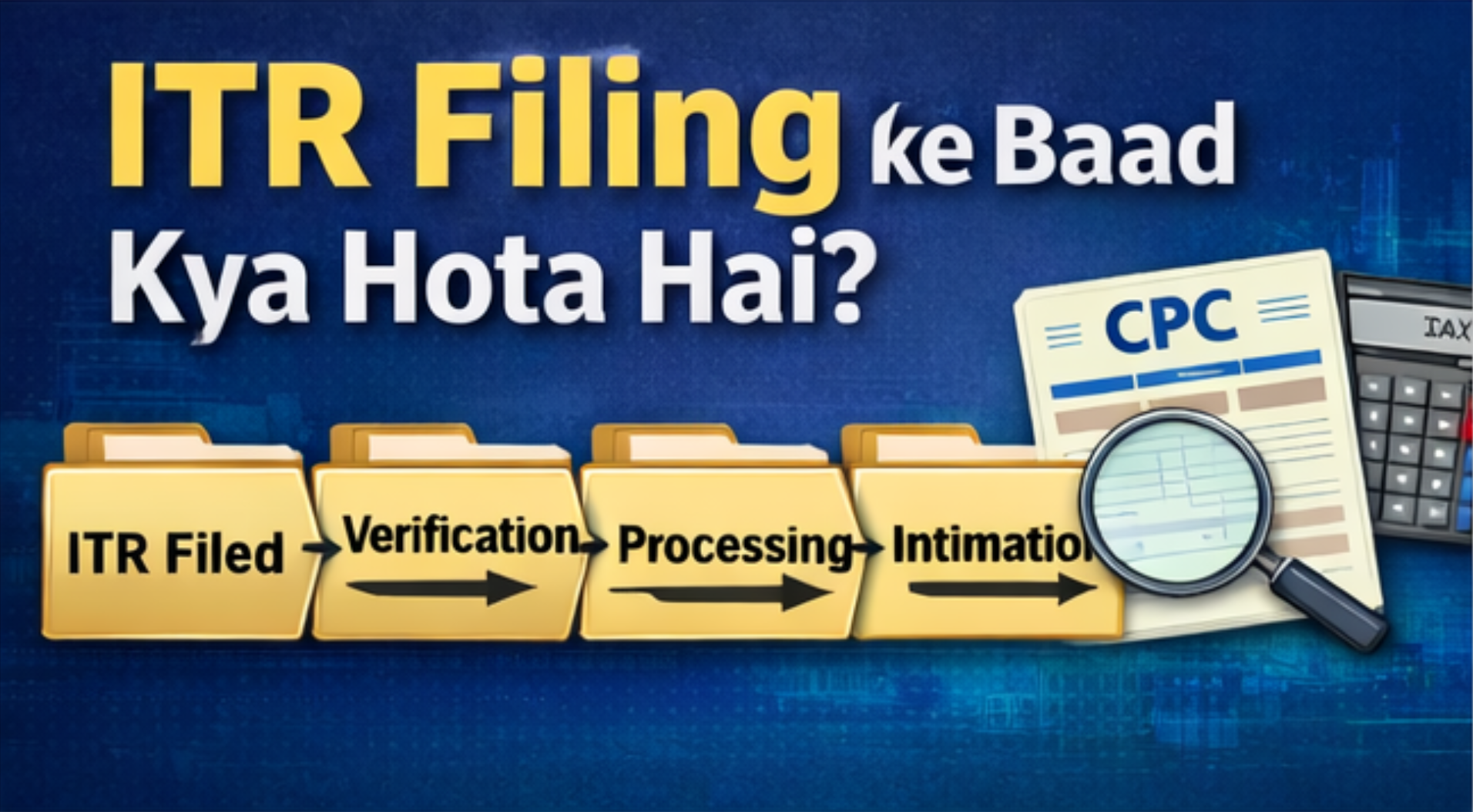
What Happens After Filing an Income Tax Return? Understanding Processing and Intimation

Introduction
Many taxpayers believe that once an Income Tax Return (ITR) is filed, the compliance process ends. In reality, return filing is only the beginning of the Income Tax processing cycle.
After submission, the Income Tax Department processes the return through an automated system. This article explains what happens after filing, including processing under the law, adjustments, and intimation.
Watch the Complete Video Explanation
This topic has also been explained in detail in the video below. Watch for practical clarity and structured understanding
In this video, we explain the entire process that takes place after filing an Income Tax Return in a simple, practical, and fear-free manner.
1. Submission and Acknowledgement
Once an ITR is successfully filed and verified, it is transmitted to the Centralized Processing Centre (CPC). The return enters the processing stage.
Verification is essential. An unverified return is treated as invalid.
2. Automated Processing Mechanism
The Income Tax Department uses automated systems to:
- Cross-check income details
- Match TDS credits with Form 26AS
- Compare disclosures with AIS
- Recalculate tax liability
This stage is primarily system-driven and not manual.
3. Processing Outcome – Intimation
After processing, one of the following may occur:
- Return accepted as filed
- Minor adjustments made
- Additional tax demand raised
- Refund determined
An official communication (intimation) is issued to the taxpayer.
4. Adjustments During Processing
Adjustments may occur due to:
- Arithmetical errors
- Incorrect claims apparent from return
- Mismatch in TDS
- Inconsistency in deductions
Such adjustments are communicated before final determination in certain cases.
5. Importance of Monitoring Email & Portal
Taxpayers should regularly check:
- Registered email
- Income Tax portal
- SMS alerts
Ignoring communications can lead to complications.
Conclusion
Filing an Income Tax Return is only the first step in compliance. Understanding the processing and intimation stage helps taxpayers respond responsibly and avoid unnecessary disputes.
Tax ko samajhna mushkil nahi hai,
system ko samajhna zaroori hai.
Disclaimer: This article is for informational purposes only and does not constitute legal or tax advice. The views expressed are based on the current understanding of law and portal functionality as on the date of publication. Readers are advised to seek professional advice before taking any action.
If you have any general query or wish to understand the subject better, you may share your question in the comments below.